
Surgery · Anand Hospital
Laparoscopic Surgery in Moradabad
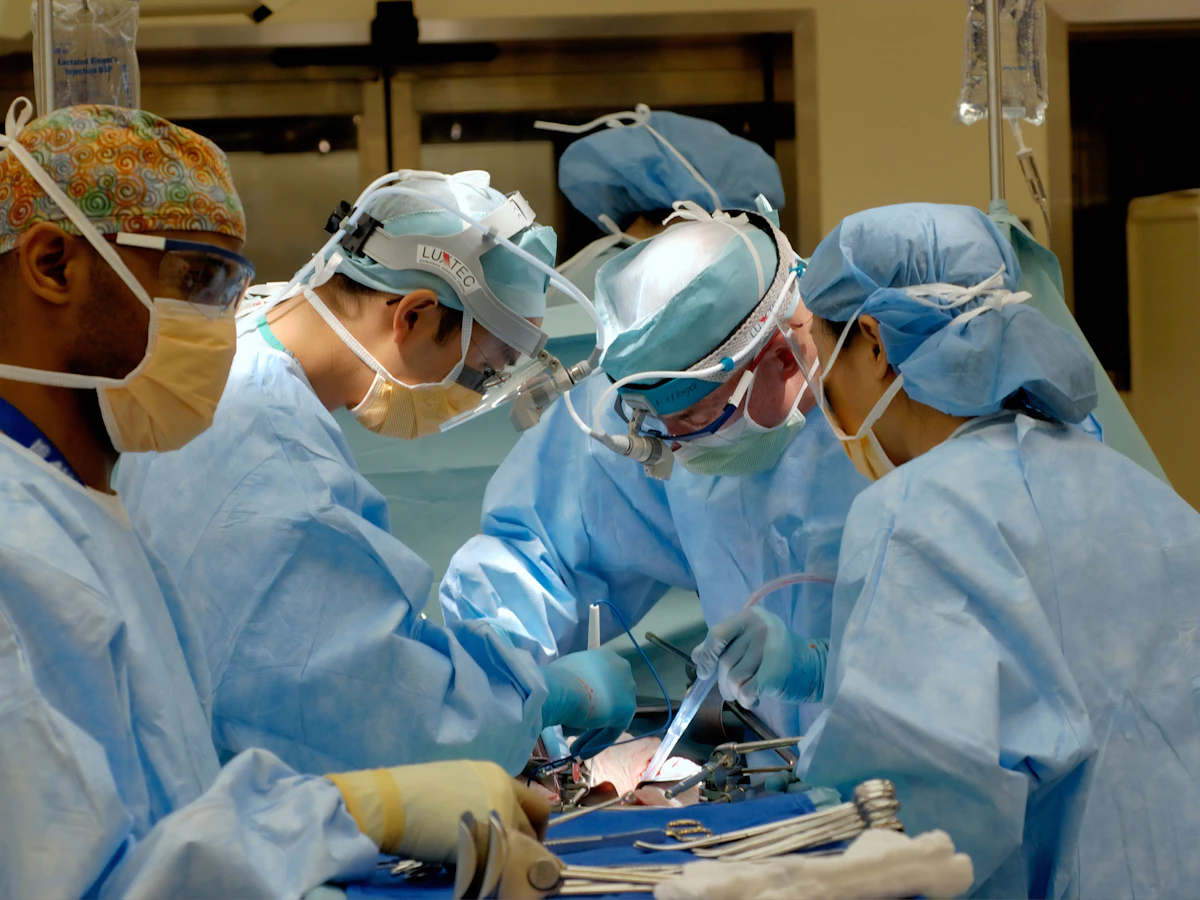
Laparoscopy uses a camera and small incisions to examine or operate inside the abdomen. Dr Subhash Singh assesses whether keyhole surgery is suitable for your diagnosis, previous operations and general health. It is an approach used for particular operations, rather than a single treatment for all abdominal symptoms.
Introduction
Laparoscopy uses a camera and small incisions to examine or operate inside the abdomen. Dr Subhash Singh assesses whether keyhole surgery is suitable for your diagnosis, previous operations and general health. It is an approach used for particular operations, rather than a single treatment for all abdominal symptoms.
Conditions that may be treated with laparoscopy
Gallbladder removal, selected hernia repairs and appendix removal are common applications. Sometimes a diagnostic laparoscopy helps investigate symptoms when other tests leave uncertainty. The intended procedure and its alternatives should be clear before consent.
When keyhole surgery may be advised
The surgeon weighs the likely benefit of smaller wounds and earlier mobility against technical and anaesthetic risks. Severe inflammation, extensive adhesions, complex anatomy or unstable illness can make an open operation safer. Previous surgery does not automatically rule out laparoscopy.
How the operation works
After anaesthesia, a small incision allows the camera into the abdomen, which is expanded with gas to create working space. Additional small incisions allow instruments to perform the operation. At the end, the instruments are removed and the wounds are closed.
Laparoscopic vs open surgery
Open surgery provides access through a larger incision. Laparoscopy often allows an easier early recovery, but outcomes also depend on what operation is performed. If visibility or control of bleeding becomes unsafe, the surgeon may convert to an open incision.
What happens before surgery?
Bring your scans, previous treatment records, allergies and a complete medicine list. The surgeon explains the diagnosis, alternatives, expected benefit and procedure-specific risks before you decide on treatment. An anaesthetist reviews fitness for the planned operation.
Follow the hospital’s exact fasting and medicine instructions. Do not stop blood thinners or diabetes medicines on your own. Arrange an adult to accompany you home and ask who to contact if symptoms change before admission.
Tests commonly required
- Imaging chosen for the underlying condition, such as ultrasound or CT
- Blood count and relevant kidney, liver or glucose tests
- Pregnancy testing where relevant and consented
- Additional heart or lung assessment when clinically needed
What happens on surgery day?
The team checks your identity, consent and planned procedure, reviews test results and inserts an intravenous line when required. You meet the anaesthesia team before going to theatre. After the operation, staff monitor pain, breathing, bleeding and your ability to drink and move safely.
Discharge includes medicine and wound instructions, a follow-up plan and advice on work, lifting and driving. If observation or further treatment is needed, the team explains why admission is safer.
Anaesthesia
Abdominal laparoscopy generally needs general anaesthesia because the abdomen is inflated and breathing must be carefully managed. The anaesthetist assesses your medicines and health and explains monitoring and postoperative pain relief.
Recovery, diet and hospital stay
A simple diagnostic or uncomplicated operation may allow discharge after a short observation period. Major surgery can need a longer admission. Temporary shoulder discomfort and bloating may occur. Follow the operation-specific diet, walk as advised and keep wounds clean according to your discharge plan.
Risks and return to normal activity
Risks include bleeding, infection, injury to organs or blood vessels, clots, anaesthetic complications and conversion to open surgery. A small skin wound does not mean internal healing is complete. Work, exercise, lifting and driving should resume only according to the procedure and your surgeon’s advice.
Who evaluates you?
Dr Subhash Singh
Consultant General Surgeon · MBBS, MS. Evaluation for general and laparoscopic surgery.
Consultation includes your symptoms, examination, earlier reports and the treatment options that fit your health. Anaesthesia, paediatric, medical or other specialist input is coordinated when needed. Confirm consultation availability with reception.
Meet the DoctorEmergency warning signs
- Seek urgent care for severe or increasing abdominal pain, persistent vomiting, fever, jaundice, fainting or confusion.
- After treatment, chest pain, difficulty breathing, a swollen painful leg, uncontrolled bleeding or a wound with spreading redness or pus needs urgent review.
Seek immediate emergency assessment for severe symptoms. Do not wait for an online booking response.
Cost / Ayushman eligibility
There is no single price that applies to every patient. Consultation, investigations, the treatment or operation, anaesthesia, room category, medicines and the need for ICU or a longer stay can change the estimate. Ask reception for a written estimate after clinical assessment and clarify inclusions, exclusions and follow-up charges.
Anand Hospital lists an Ayushman Card facility. Eligibility, the hospital’s current empanelment for the relevant package, covered treatment and required authorisation must be checked before planned admission. A card alone does not confirm that every test or procedure is covered. Bring your card and identification, and ask the desk to explain any applicable charges.
Ayushman and payment informationFrequently asked questions
Is laparoscopy always better?
No. The safest approach depends on the operation and the patient.
Can keyhole surgery become open surgery?
Yes. Conversion may be necessary for safe access, clear anatomy or control of bleeding.
Will I go home the same day?
Possibly after an uncomplicated procedure, but discharge depends on recovery and the operation performed.
Further patient information
General educational resources; treatment and local hospital arrangements are confirmed during consultation. Page updated 5 October 2026.
Plan your visit
Book a consultation.
Bring your reports and medicine list. Reception will confirm the clinician’s availability and appointment details.
Anand HospitalNear Miglani Cinema, Rampur Road
Moradabad, Uttar Pradesh 244001
Hospital emergency care is available 24 hours.
Related care