
Surgery · Anand Hospital
Hernia Surgery in Moradabad
A hernia develops when tissue pushes through a weak area in the abdominal wall, often producing a groin, navel or scar-site bulge. It does not heal with exercise or medicine, although not every hernia needs immediate surgery.
Introduction
A hernia develops when tissue pushes through a weak area in the abdominal wall, often producing a groin, navel or scar-site bulge. It does not heal with exercise or medicine, although not every hernia needs immediate surgery.
What hernia surgery is
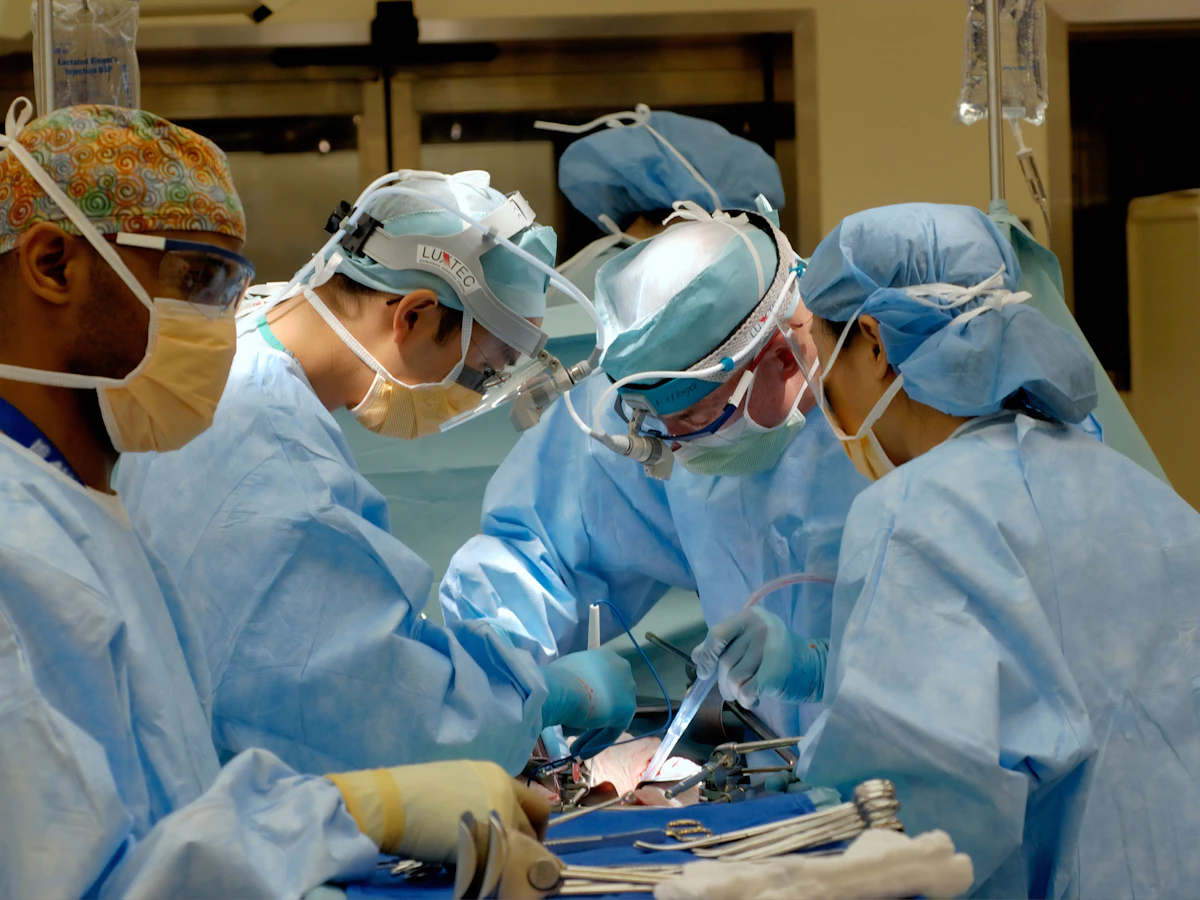
Repair returns protruding tissue to the abdomen and strengthens the weak area, often with mesh. The operation may be open through one incision or laparoscopic through several small incisions.
Symptoms and when to seek help
- A bulge that becomes more obvious on standing, coughing or straining
- Dragging, aching or burning discomfort
- Increasing pain or difficulty reducing the bulge
- Sudden severe pain, vomiting, abdominal swelling or a tender irreducible bulge is an emergency
Diagnostic process
Many groin and abdominal-wall hernias are diagnosed by examination while standing and coughing. Ultrasound or CT may help when the diagnosis is uncertain, the hernia is recurrent or another condition is suspected.
Available treatment options
Observation may be reasonable for selected minimally symptomatic inguinal hernias after discussion. Trusses do not repair the defect. Painful, enlarging or complicated hernias usually need planned or emergency repair; technique and mesh use are individual decisions.
Open or laparoscopic repair?
Laparoscopy may offer smaller wounds and faster recovery, particularly for bilateral or recurrent groin hernias, but requires general anaesthesia. Open repair may suit some first-time hernias, larger defects, previous operations or people for whom general anaesthesia is unsuitable.
Recovery expectations
Walking is encouraged early. Bruising, swelling and pulling discomfort are common initially. Return to driving, work, exercise and lifting should follow the surgeon’s plan and depends on the repair and type of work.
Risks and limitations
- Bleeding, infection, fluid collection, urinary retention or anaesthetic complications
- Chronic groin pain, numbness, mesh-related problems or injury to nearby structures
- Hernia recurrence despite a technically sound repair
- Emergency strangulated hernias may require bowel surgery and longer recovery
What happens before surgery?
Bring your scans, previous treatment records, allergies and a complete medicine list. The surgeon explains the diagnosis, alternatives, expected benefit and procedure-specific risks before you decide on treatment. An anaesthetist reviews fitness for the planned operation.
Follow the hospital’s exact fasting and medicine instructions. Do not stop blood thinners or diabetes medicines on your own. Arrange an adult to accompany you home and ask who to contact if symptoms change before admission.
Tests commonly required
Examination is often enough to identify a hernia. Ultrasound or CT may be requested for an uncertain, recurrent or complicated swelling. Blood tests and other pre-anaesthetic checks depend on the planned repair and your health; not everyone needs every test.
What happens on surgery day?
The team checks your identity, consent and planned procedure, reviews test results and inserts an intravenous line when required. You meet the anaesthesia team before going to theatre. After the operation, staff monitor pain, breathing, bleeding and your ability to drink and move safely.
Discharge includes medicine and wound instructions, a follow-up plan and advice on work, lifting and driving. If observation or further treatment is needed, the team explains why admission is safer.
Anaesthesia and expected hospital stay
Laparoscopic repair usually requires general anaesthesia; selected open repairs can use local or regional anaesthesia. Many planned uncomplicated repairs allow short-stay care. A strangulated hernia, bowel resection or other illness may require longer admission.
Diet, bowel care and return to normal activity
Fluids, fibre and the prescribed bowel regimen can reduce straining. Walk gently and increase activity as advised. Avoid lifting beyond your discharge instructions, and ask when your particular job or sport is safe. Pain that persists or a new bulge after repair warrants follow-up.
Who evaluates you?
Dr Subhash Singh
Consultant General Surgeon · MBBS, MS. Evaluation for general and laparoscopic surgery.
Consultation includes your symptoms, examination, earlier reports and the treatment options that fit your health. Anaesthesia, paediatric, medical or other specialist input is coordinated when needed. Confirm consultation availability with reception.
Meet the DoctorEmergency warning signs
- Go to emergency care for sudden severe pain, vomiting, abdominal swelling, fever, or a firm painful bulge that no longer goes back in.
- After repair, seek help for breathing difficulty, worsening pain, inability to pass urine, high fever, spreading redness or persistent vomiting.
Seek immediate emergency assessment for severe symptoms. Do not wait for an online booking response.
Cost / Ayushman eligibility
There is no single price that applies to every patient. Consultation, investigations, the treatment or operation, anaesthesia, room category, medicines and the need for ICU or a longer stay can change the estimate. Ask reception for a written estimate after clinical assessment and clarify inclusions, exclusions and follow-up charges.
Anand Hospital lists an Ayushman Card facility. Eligibility, the hospital’s current empanelment for the relevant package, covered treatment and required authorisation must be checked before planned admission. A card alone does not confirm that every test or procedure is covered. Bring your card and identification, and ask the desk to explain any applicable charges.
Ayushman and payment informationFrequently asked questions
Can exercise close a hernia?
No. Activity may improve general fitness, but it cannot close an established abdominal-wall defect.
Is mesh always used?
Mesh is common in adult repair because it reduces tension, but the best method depends on hernia type, contamination risk and individual factors.
Can a hernia return?
Yes. Recurrence is possible; smoking, wound infection, obesity, heavy strain and tissue factors can influence risk.
Further patient information
General educational resources; treatment and local hospital arrangements are confirmed during consultation. Page updated 5 October 2026.
Plan your visit
Book a consultation.
Bring your reports and medicine list. Reception will confirm the clinician’s availability and appointment details.
Anand HospitalNear Miglani Cinema, Rampur Road
Moradabad, Uttar Pradesh 244001
Hospital emergency care is available 24 hours.
Related care