
Emergency Care · Anand Hospital
ICU & Critical Care in Moradabad
Critical care supports patients with serious illness who need close observation or support for vital functions. At Anand Hospital, the emergency and anaesthesia teams coordinate ICU assessment, ongoing monitoring and specialist input. Admission is based on clinical need and available capability, with transfer considered when more advanced care is required.
Introduction
Critical care supports patients with serious illness who need close observation or support for vital functions. At Anand Hospital, the emergency and anaesthesia teams coordinate ICU assessment, ongoing monitoring and specialist input. Admission is based on clinical need and available capability, with transfer considered when more advanced care is required.
When ICU care may be needed
- Severe infection with unstable circulation or organ dysfunction
- Serious breathing problems or reduced consciousness
- Close monitoring after a major operation or severe complication
- Other unstable medical conditions requiring care beyond a regular ward
How the decision to admit is made
The team assesses the immediate threat, response to initial treatment and the level of monitoring or support needed. Not every serious diagnosis requires ICU. The plan can change quickly, and bed or specialist availability may affect where the patient receives the safest care.
Monitoring and tests
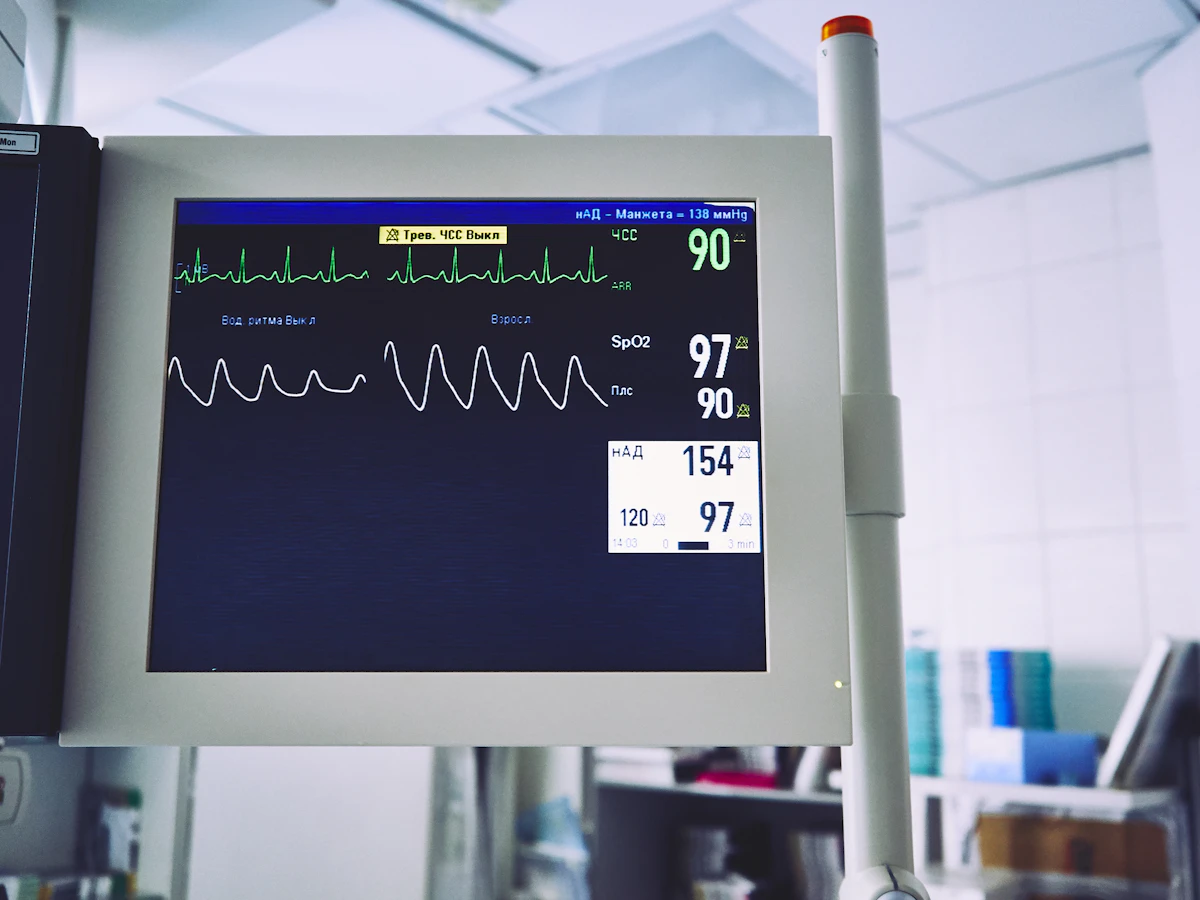
Heart rate, blood pressure, oxygen levels, temperature and urine output help track progress. Blood tests, imaging and cultures may be needed to identify the cause and check organ function. Staff interpret trends alongside examination rather than relying on one monitor reading.
What treatment can involve
Depending on the condition, support may include oxygen, intravenous medicines, fluids and other measures selected by the critical-care team. Ask which treatments are needed and available for this patient. Mechanical ventilation, dialysis or subspecialty support may require capability confirmation or referral.
Who provides care?
Duty doctors, nurses, anaesthesia and critical-care clinicians coordinate with the relevant specialist. The team reviews treatment response and plans escalation or step-down care. Families should identify a main contact to help share updates and decisions clearly.
Procedures, sedation and anaesthesia
Lines, tubes or urgent procedures may be necessary for monitoring or support. Sedation can be needed for some treatments and is adjusted to clinical goals. The team discusses consent and risks with the patient or appropriate representative where possible.
Possible risks and uncertainties
Critical illness can involve organ failure, infections, clots, delirium, weakness and nutrition problems. Invasive support adds its own risks. ICU admission does not guarantee recovery, and a prognosis may remain uncertain while the team observes response to treatment.
Expected stay and transfer
There is no fixed ICU stay. Patients move to a ward when intensive monitoring is no longer needed, or may be transferred for additional expertise or equipment. Transfer decisions consider stability, transport support and receiving-centre arrangements.
Nutrition, rehabilitation and recovery
Feeding is planned around swallowing, gut function and the illness. Families should not give food or drinks without staff approval. Recovery may include physiotherapy, strength rebuilding and support for memory, sleep or emotional symptoms. Returning to work can take longer than recovery from the initial illness alone.
How families can help
Provide an accurate medicine and health history, ask about daily goals and follow visiting and infection-prevention guidance. Keep a record of updates and discharge instructions. Ask who will coordinate rehabilitation, specialist follow-up and medicine changes after the patient leaves ICU.
Who evaluates you?
Emergency and critical-care team
Duty clinicians coordinate assessment with the relevant specialist, anaesthesia and critical-care teams. Call to confirm current specialist availability.
Consultation includes your symptoms, examination, earlier reports and the treatment options that fit your health. Anaesthesia, paediatric, medical or other specialist input is coordinated when needed. Confirm consultation availability with reception.
Meet the Hospital TeamEmergency warning signs
- Severe breathlessness, collapse, confusion, reduced consciousness or rapidly worsening illness needs emergency assessment.
- After discharge, new breathing difficulty, chest pain, fever with deterioration or inability to take essential medicines warrants urgent review.
Seek immediate emergency assessment for severe symptoms. Do not wait for an online booking response.
Cost / Ayushman eligibility
There is no single price that applies to every patient. Consultation, investigations, the treatment or operation, anaesthesia, room category, medicines and the need for ICU or a longer stay can change the estimate. Ask reception for a written estimate after clinical assessment and clarify inclusions, exclusions and follow-up charges.
Anand Hospital lists an Ayushman Card facility. Eligibility, the hospital’s current empanelment for the relevant package, covered treatment and required authorisation must be checked before planned admission. A card alone does not confirm that every test or procedure is covered. Bring your card and identification, and ask the desk to explain any applicable charges.
Ayushman and payment informationFrequently asked questions
Can family members visit?
Ask the team about current visiting arrangements and precautions for the patient’s condition.
Does ICU admission mean ventilation is needed?
No. Some patients need close monitoring without ventilation; others require additional support.
How long does recovery take?
It varies with the illness, baseline health and complications. Weakness and fatigue may continue after discharge.
Further patient information
General educational resources; treatment and local hospital arrangements are confirmed during consultation. Page updated 5 October 2026.
Plan your visit
Reach emergency care.
Bring your reports and medicine list. Reception will confirm the clinician’s availability and appointment details.
Anand HospitalNear Miglani Cinema, Rampur Road
Moradabad, Uttar Pradesh 244001
Hospital emergency care is available 24 hours.
Related care