
Emergency Care · Anand Hospital
Emergency Surgery in Moradabad
Some abdominal, bleeding or pregnancy-related conditions need urgent operative treatment. Anand Hospital’s duty team coordinates rapid evaluation, stabilisation and surgical assessment. Dr Subhash Singh evaluates general surgical emergencies, with obstetric, anaesthesia and critical-care input when appropriate.
Introduction
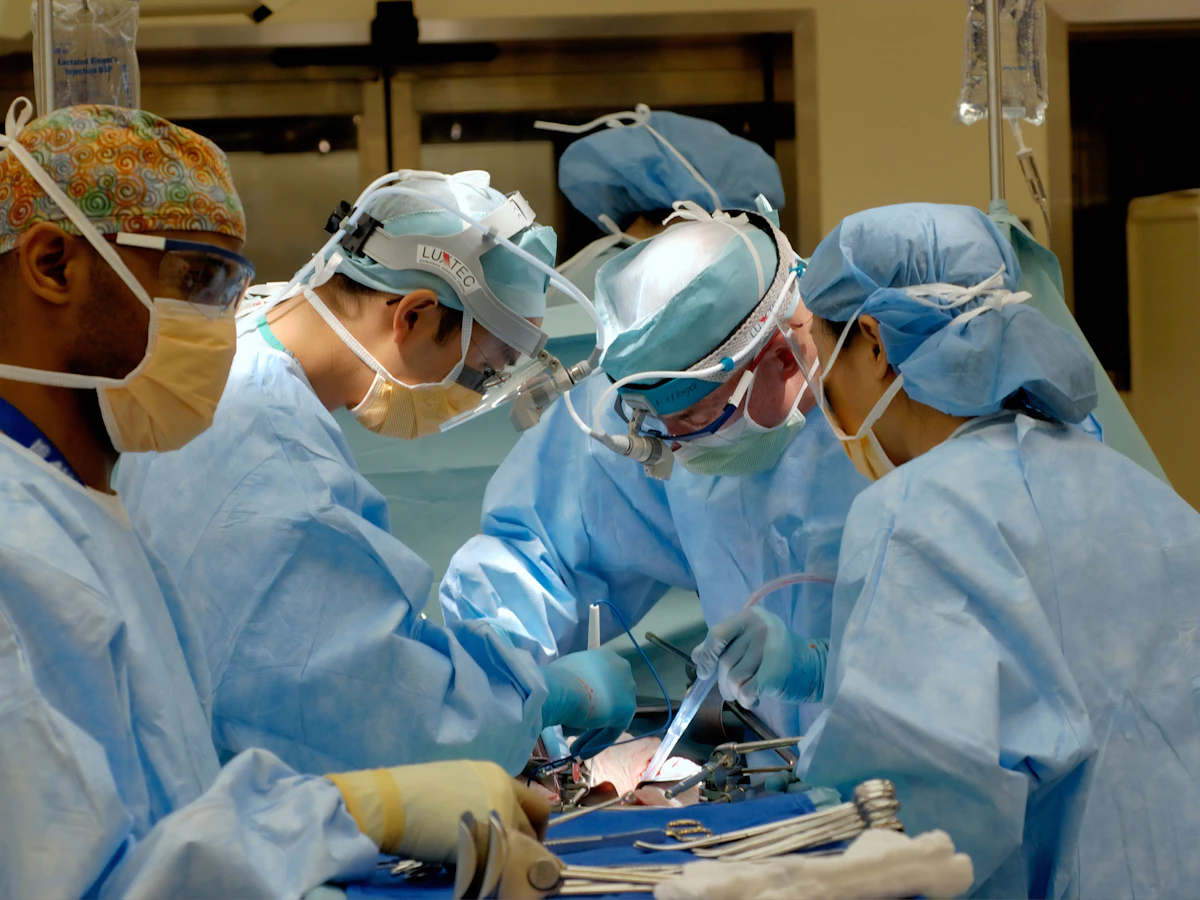
Some abdominal, bleeding or pregnancy-related conditions need urgent operative treatment. Anand Hospital’s duty team coordinates rapid evaluation, stabilisation and surgical assessment. Dr Subhash Singh evaluates general surgical emergencies, with obstetric, anaesthesia and critical-care input when appropriate.
Symptoms that may signal a surgical emergency
- Sudden or worsening abdominal pain with vomiting, fever or swelling
- A painful hernia bulge that cannot go back in
- Major bleeding, collapse or severe injury
- Suspected appendicitis, bowel obstruction or a pregnancy-related emergency
When urgent surgery may be advised
An operation may be needed for an inflamed or burst appendix, a strangulated hernia, perforation, uncontrolled bleeding or another condition that cannot safely wait. Some patients need antibiotics, drainage or further assessment first. The surgeon weighs urgency against the risks of intervention.
Assessment and tests before surgery
The team checks vital signs and examines the affected area while arranging relevant blood tests and imaging. Pregnancy testing may be needed when clinically relevant. Fluids, pain relief, antibiotics or other stabilisation can begin before all results are available.
What to tell the team immediately
Mention the time of your last meal or drink, allergies, blood thinners, diabetes medicines and previous operations. Bring reports if easily available, but do not delay arrival to gather them. Do not eat or drink while awaiting a possible operation unless staff advise otherwise.
Laparoscopic vs open emergency surgery
Keyhole surgery may be suitable for selected stable patients. An open operation may give safer access in severe contamination, unstable illness or difficult anatomy. The intended operation can change if the team finds more extensive disease than the tests suggested.
Consent and the operation day
Where possible, the surgeon explains the problem, proposed procedure, alternatives and risks to you or your representative. Emergency consent may include additional steps such as bowel treatment if required. After identity and safety checks, the anaesthesia and theatre teams provide monitored care.
Anaesthesia and critical-care support
Many emergency abdominal operations require general anaesthesia. Urgent illness and recent food intake can affect anaesthetic risk. The anaesthetist plans protection and monitoring, and postoperative ICU care may be needed. Transfer is considered if required support exceeds available capability.
Possible risks
Bleeding, infection, organ injury, clots and anaesthetic complications can occur. Severe infection, delayed presentation or poor baseline health can increase risk. Depending on findings, drains, further operations or a temporary stoma may be necessary and should be discussed when relevant.
Recovery and expected hospital stay
Admission varies from short observation after an uncomplicated operation to prolonged treatment for infection or bowel recovery. The team monitors pain, wounds, organ function and ability to eat and move. Discharge is based on recovery and a safe follow-up plan.
Diet and return to normal activity
Food and fluids restart according to the operation and bowel function. Follow prescribed medicines, dressing instructions and movement guidance. Ask about work, lifting and driving at review. New fever, persistent vomiting or increasing pain after discharge needs prompt reassessment.
Who evaluates you?
Emergency and critical-care team
Duty clinicians coordinate assessment with the relevant specialist, anaesthesia and critical-care teams. Call to confirm current specialist availability.
Consultation includes your symptoms, examination, earlier reports and the treatment options that fit your health. Anaesthesia, paediatric, medical or other specialist input is coordinated when needed. Confirm consultation availability with reception.
Meet the Hospital TeamEmergency warning signs
- Seek urgent care for severe or increasing abdominal pain, persistent vomiting, fever, jaundice, fainting or confusion.
- After treatment, chest pain, difficulty breathing, a swollen painful leg, uncontrolled bleeding or a wound with spreading redness or pus needs urgent review.
Seek immediate emergency assessment for severe symptoms. Do not wait for an online booking response.
Cost / Ayushman eligibility
There is no single price that applies to every patient. Consultation, investigations, the treatment or operation, anaesthesia, room category, medicines and the need for ICU or a longer stay can change the estimate. Ask reception for a written estimate after clinical assessment and clarify inclusions, exclusions and follow-up charges.
Anand Hospital lists an Ayushman Card facility. Eligibility, the hospital’s current empanelment for the relevant package, covered treatment and required authorisation must be checked before planned admission. A card alone does not confirm that every test or procedure is covered. Bring your card and identification, and ask the desk to explain any applicable charges.
Ayushman and payment informationFrequently asked questions
Will every severe abdominal pain need an operation?
No. Examination and tests help decide between surgery, medicines, observation or another treatment.
Can emergency surgery be laparoscopic?
Sometimes. Stability, diagnosis and findings determine the safest approach.
Can I wait until morning?
Severe or worsening symptoms need immediate assessment. Waiting can allow infection, obstruction or bleeding to worsen.
Further patient information
General educational resources; treatment and local hospital arrangements are confirmed during consultation. Page updated 5 October 2026.
Plan your visit
Reach emergency care.
Bring your reports and medicine list. Reception will confirm the clinician’s availability and appointment details.
Anand HospitalNear Miglani Cinema, Rampur Road
Moradabad, Uttar Pradesh 244001
Hospital emergency care is available 24 hours.
Related care